Decades of experience as attorneys, engineers and scientists in industry and research underpin the approach of our patent team. We are resolutely commercial and take time to understand your technology and your business.
Both European- and UK-qualified, our patent attorneys spend much of their time handling our flourishing practice before the UK, Irish and European Patent Offices. They appear frequently in opposition and appeal hearings and enjoy a remarkable rate of success in contentious matters.
Thank you
We know from experience that innovation is a dynamic process that can generate a diverse range of creative outputs. Some of these are best protected with patents that cover the technical elements of innovation and invention.
We take pride in the quality of our patent drafting - our wealth of direct clients means that we draft often and that we draft well. Building patent portfolios that support growth, underpin core technology platforms and provide a competitive advantage in the global marketplace is an essential part of the value we offer. We know how to catch the spirit of innovation and to transform it into an asset. We make the complex patent process accessible, giving you clear and practical guidance on how to get the best protection for your needs.
Our patent consulting services can help your company navigate the overlap between business and IP. Our attorneys can work with you to plan, manage and execute an IP strategy that aligns with your business strategy, to maximise its effectiveness and to protect your commercial interests and investments. We can support you in designing patent and invention processes, such as invention harvesting and decision-making structures, and with internal training and roll-out.
Patents will help companies to establish a strong competitive position in the marketplace. Keltie attorneys are adept at helping you understand when and how to exploit your intellectual property through patents.
Our UK and European patent attorneys specialise in helping you to maximise the impact of your intellectual asset value chain as well as to understand the risks and rewards open to you in your market sector. We want to help you get the most out of your innovation. With a strategically planned portfolio, managed by our expert team of attorneys and paralegals, we can build the strongest position for your intellectual property to amplify its value now, and in the future.
Services you may be interested in
Decades of experience as attorneys, engineers and scientists in industry and research underpin the approach of our patent team. We are resolutely commercial and take time to understand your technology and your business.
Keltie’s patent attorneys are skilled not only in patent searching, but in interpreting the output of a patent search, and in helping you understand what it means for your technology and your business.
Why file a patent application? Patents can serve multiple purposes during their lifetime. They grant the owner a period to enjoy the exclusivity of their invention before others can use it. They give the owner powerful rights recognised in law to prevent infringement. But they are also valuable intellectual property which can enhance the ability of the owner to exploit their technology commercially through licensing or sale of the invention.
A key reason to invest in patent protection is to prevent others from copying your innovation. The patent system is intended to allow you, as a creator, to enjoy exclusivity around your technology for a set period of time. Patents allow you to leverage that exclusivity in order to develop your commercial position.
What is the Patent Box? Patent Box is a tax incentive scheme designed to encourage innovation within the UK. Introduced in 2013, it is a government-backed initiative whereby company profits which are derivable from patented technology are taxed at a lower rate than standard corporation tax. The system is intended to provide a strong and supportive environment for innovation within the UK.
The attorneys in our Trade Mark Group are among the leading brand protection experts in the UK and Europe. Through our associate network, we coordinate brand protection all over the world. The Group comprises multi-lingual European and UK trade mark attorneys with backgrounds in law, engineering and business. Their expertise extends through the full lifecycle, from searching and filing through to opposition and litigation, including enforcement and appeal. The Group also has vast experience in online enforcement.
Before you start using a trade mark, it is good practice to conduct a search to check that the trade mark is free to use. Conducting this type of search can be challenging because there are so many trade marks in use across many different fields of commerce. This makes it difficult for people without trade mark qualifications to navigate other brand-owners’ rights, and avoid or manage potential conflict.
How to file a trade mark The trade mark filing process can be relatively straightforward. In theory, all an applicant needs to do is access the relevant trade mark website, enter the word they wish to create a mark for, add the relevant goods and services to apply to the mark and pay the fee.
What is trade mark protection? Trade mark protection is a means of securing a monopoly right in a word, logo, shape, colour or sound that acts as an identifier of origin, allowing consumers to immediately determine the source of the goods or services offered under that particular trade mark or brand.
Registering a trade mark does not automatically prevent other parties from filing applications for identical or similar marks. In many countries, responsibility rests with the trade mark owner to identify conflicting applications and decide whether to act. In the UK and EU, for example, trade mark applications are not refused solely because they conflict with earlier trade marks. It is generally for the owners of those earlier rights to oppose conflicting applications.
Keltie's attorneys have an unusual wealth of expertise and experience in design rights. We help clients protect their designs, exploit their rights and mitigate risks.
If you are launching a new product there is a risk that it will infringe third party design rights. You can reduce the likelihood of costly conflict down the line, or at least be better informed of potential risk, by conducting a design search and clearance assessment before product launch. To do this, we search for relevant earlier rights - both registered and unregistered designs - help you assess the risk these pose to you, and guide you in any action that you might take to reduce and mitigate risk.
To protect your design with a registered right, a formal application must be made to the appropriate IP office. Obtaining a design registration is relatively quick (a matter of weeks or months in the EU and UK), which can be very useful for creators because it means rights and therefore protection can be granted swiftly.
As the owner of a design right, you are able to take action against another party if they market a product that is too visually similar to yours, without your permission. If their product is identical to your design, or if it differs in some ways but the impression the consumer takes from their product matches your design, you may be able to take action.
Intellectual property should support your business strategy, not operate separately from it. Keltie provides commercially focused IP strategy and consulting services to help businesses understand their intellectual property, make informed decisions and use their IP to support growth, investment and long-term commercial objectives.
An intellectual property (IP) audit helps you to understand what IP your business owns, how it is protected, and how it supports your technology, your products and your wider business strategy.
At Keltie we have considerable experience in reviewing and refining intellectual property (IP) strategies for businesses to help ensure that their IP approach remains relevant and aligned with their business strategy, operations and growth plans.
We help businesses prepare for mergers and acquisitions (M&A), providing IP portfolio analysis to help buyers, investors and advisers understand the intellectual property (IP) underpinning a transaction.
At Keltie, we help start-ups, scale-ups and SMEs develop a clear, practical intellectual property (IP) strategy that supports innovation, investment and long-term growth.
We help start-ups and scale-ups demonstrate how their intellectual property (IP) supports their business plan and investment proposition. We may be asked to do this by the company itself, or by an investor or potential investor.
Counterfeit products, copycat websites, impersonation accounts and other forms of online brand misuse can damage revenue, reputation and customer trust. Because harmful activity can spread rapidly across multiple platforms and territories, manual searches alone are rarely enough. Keltie combines AI-powered detection technology and scalable enforcement with the strategic oversight of experienced trade mark attorneys. We help clients identify potentially harmful activity, prioritise the issues that matter and take proportionate action to protect their brands. Technology provides the reach; our attorneys provide the judgement.
Your brand may be used across websites, marketplaces, social media, company names, domain names and official registers. Identifying potentially harmful activity early can give you more options to protect your intellectual property, customers and reputation.
A domain name that copies or closely resembles your brand can be used to divert customers, impersonate your business or support misleading online activity. Such domains may be registered long before they are actively used, making early detection an important part of an effective online brand protection strategy.
A newly registered company using a name identical or similar to your brand can create confusion, disrupt commercial activity or signal an intention to trade on your reputation. Registering a company name does not in itself give a right to use that name as a trade mark, but the registration may still need to be addressed.
The attorneys at Keltie join forces with Customs Authorities, Border Forces and Online Enforcement Agencies to tackle infringement and counterfeiting head-on. Counterfeit goods pose a significant threat to the reputation of brands and unsuspecting consumers through a wide range of sectors.
People who work in this area
Eleanor graduated from the University of Dundee in 2018 with a first-class honours degree in Biological Chemistry and Drug Discovery. During this time, she developed a keen interest in medicinal chemistry and early-phase drug development. In 2016, she won the University’s Carnelly Prize for a proficiency in chemistry, along with the Graham Smith Prize for achieving the highest grades in her degree stream. Her dissertation was focused on synthesising covalent fragments for use in fragment-based drug discovery.
Shakeel (Shak) founded Keltie's IT, Telecoms and Electronics practice over 20 years ago and heads up a talented team who advise on patent issues regarding various areas of technology, but primarily in electronic and software technology.
Emma graduated from Imperial College London in 2009 with a master's degree in Physics, before continuing her studies in the field and at Imperial College by undertaking a PhD in the Photonics Group, followed by a year and a half as a Research Assistant. During this time her research focused on the development of high power diode pumped solid state lasers, using both end-pumped and side-pumped geometries, for use in medical and industrial applications in particular.
Philip specialises in patent matters in the fields of physics, electronics, mechanical engineering, and information technology. He has particular experience in automotive engineering, manufacturing, energy generation and storage, and sensor technology. In addition to drafting and prosecuting patent applications before the EPO and UKIPO, he also advises on the infringement and validity of UK and European patents and handles Registered Design matters. Philip also has experience in carrying out patent watches, freedom-to-operate searches, and European opposition work.
Kim has been at the forefront of the AI technological wave and has helped shape the strategy and AI patent portfolios of several of the world’s largest patent filers. Kim was rated as a Rising Star 2022 by Managing IP in recognition of her expertise in this area. She has spoken widely on the subject and was an invited Speaker at the recent WIPO-KIPO Interactive Online Workshop on AI & IP. Kim has also been a regular contributor to the IAM magazine’s thought leadership section on AI. Kim is a strategic thinker and loves helping her clients navigate the complex legal framework surrounding AI to obtain commercially valuable Intellectual Property, keeping detectability, licensing and potential litigation at the front of her thinking.
Joeri is a Galway and London based Irish, UK, Dutch, and European patent attorney with more than 20 years of experience in supporting his clients’ IP needs with high quality drafting, prosecution and opposition work and sound commercial and strategic advice. He has helped many clients to use their patent portfolio for the benefit of their business or to strategically move around the competition’s IP. Joeri spent a considerable part of his career in-house at a large and innovative multinational corporation, where he developed a deep love for combine harvesters and other agricultural technology.
Eddie studied Natural Sciences at the University of Cambridge, specialising in organic and biological chemistry. Prior to specialising in chemistry, Eddie also studied materials science and physics options.
Mark is an experienced patent attorney who brings a background as a mechanical engineer to bear in his work with a broad range of clients and technologies, and always enjoys getting to the heart of an invention and its importance to his client.
Gemma delivers strategic and commercial IP advice to a large variety of organisations ranging from large multinationals and universities to SMEs and start-ups. Gemma has significant senior in-house experience which is invaluable to her IP consulting work in which she guides her clients through all practical, commercial and strategic IP matters.
Asawari has a broad academic background in life sciences, biochemistry and food science. She works in the Life Sciences and Chemistry team where she supports clients in a range of technology areas including precision medicine, gene therapy, bioinformatics, medical devices and diagnostics.
Dev represents biotech and chemicals clients based in the UK, Europe, and US. He has worked in the life science and chemicals specialisms for over 25 years and has established a practice focusing on provision of strategic advice to early stage and rapid growth technology companies. Dev enjoys working with a wide variety of clients to help them develop valuable IP positions most often for companies seeking to partner or licence their technology.
Sean deals with all forms of intellectual property but spends most of his time on patents and designs. His patent practice extends over a huge range of technologies, from catalysts to computers. He is also involved with designs ranging from textiles to logos.
Sinead graduated from Imperial College London in 2019 with first class honours in Physics BSc. Her final year project focused on the use of nanomaterials for therapeutic and diagnostic purposes within medicine, and she was awarded the David Smith Prize for excellence in Medical MRI and Ultrasound.
Lloyd began his career in the patent profession, as a Patent Attorney, following graduation and has worked with a wide range of technological subject matter including automotive and aerospace technology, satellites and telecommunications, medical devices including detectors, and software-based technologies such as image processing, audio analysis, and control systems. Lloyd has experience working with multinational corporations, SMEs and universities, and also has attended multiple opposition hearings before the EPO.
Sullivan leads Keltie's Sustainability Practice, and deals with technologies in many sectors, across the full range of engineering disciplines, including mechanical, electronic, materials, control systems, and software-related inventions.
Tom read Natural Sciences at the University of Cambridge, studying chemistry and physics before specialising in Materials Science with areas of study including: thin films, energy harvesting, thermodynamics, biomedical materials, materials for optoelectronic devices, and nuclear materials. Tom’s Master’s project involved the study and construction of sustainable composite structures for use in magnetoelectric energy harvesting devices and free standing thin films for use in such devices.
Madeleine completed a PhD in Quantum Magnetism at University College London (UCL) in 2023, which makes her one of a select few in the IP profession to have an advanced qualification in a Quantum Technology related field.
Joseph’s core interests lie in the fields of materials, manufacturing, sustainability and digital technologies. These stem from a varied route to a patent career, via mathematics and nuclear engineering. Joseph enjoys the process of getting absorbed 'into a creation' and appreciating the detailed work and thought that goes into it. He also enjoys the diversity of working with clients of all sizes from large international companies, to UK-based SMEs and independent inventors.
Jonathan is a Partner in the Life Sciences and Chemistry team and leads Keltie's Cambridge office. He has extensive experience of working with clients in a wide range of technology areas including agri-tech, sustainability, pharmaceuticals, chemistry, therapeutic treatments, personal care devices, medical devices, medical diagnostics, healthcare, biotechnology, regenerative stem cell therapies, food packaging, gene-editing (CRISPR), CAR-T cell-based therapies, materials, catalysts, energy technologies and cosmetics.
Timo joined Keltie in 2017 after graduating from the University of Birmingham with a first class Master’s degree in Mechanical Engineering. At university, Timo’s studies covered subject areas including advanced mechanics, sustainable energy systems, advanced vehicle engineering, biofuels and combustion, and micro and nano technologies. Timo completed his dissertation project in partnership with the Dearman Engine company, focussing on the application of polymers in cryogenic ambient expansion engines and in particular on in-cylinder lubrication methods. Timo gained industrial experience alongside his studies, undertaking internships at Cummins Turbo Technologies and at Jaguar Land Rover where he was part of the Special Vehicle Operations team working on a limited-edition Range Rover project.
Jo is one of the partners in the Engineering Group at Keltie and has worked as a qualified attorney in general physics and engineering fields for 20 years. She has a particular specialism in automotive engineering, in particular fuel injection systems and injection control strategies, but also with powertrain systems, brakes and engine control systems. Jo has worked with several prominent and multi-national companies in the automotive sector and has managed their extensive, global patent portfolios. She also advises on infringement and freedom-to-operate strategies.
Laura is a Partner in the Life Sciences and Chemistry team. She has a broad academic background in biochemistry and specialises in patent matters relating to biotechnology, precision medicine, immunology, gene therapy, synthetic biology, pharmaceuticals, medical devices, molecular biology, stem cells and regenerative medicine, diagnostics, medicinal chemistry, and chemical technology such as petrochemicals and catalysts.
Richard is a highly experienced patent attorney working across a range of high-tech fields, with particular interests in cryptography, telecommunications, artificial intelligence, and quantum computing – the more complex the technology, the better. His practice is split between large corporate clients and start-ups and scale-ups, and his primary motivation is to make sure that his clients obtain, maintain, and use their intellectual property in the way that makes the most commercial sense for them.
Mike has a broad academic background in chemistry, medicinal chemistry, biochemistry, molecular biology and cellular biology, which experience was greatly enhanced during nine years of cutting-edge research in fields of biochemistry and molecular biology. He has authored many peer-reviewed publications and is an inventor of many patents.
Rhona graduated from the University of Glasgow in 2018 with a first class Master’s degree in Biomedical Engineering. During this time, she spent six months at a biomechanical engineering lab at Ecole Polytechnique in Paris, where she worked on a project that involved modelling the migration of endothelial cells. Rhona then went on to study for a PhD in Optical Medical Imaging with Healthcare Innovation and Entrepreneurship, a PhD that was jointly awarded by the Universities of Edinburgh and Strathclyde.
Monica is a UK patent and design attorney and European patent attorney with a technical background in computational materials science. Her current patent practice bridges a range of technical fields including software technology, materials science, nanotechnology, electronic devices, fuel production and storage systems, cryptography and financial technologies.
Colin is co-head of Keltie's AI and Quantum group and specialises in complex and emerging technology areas.
Mark is part of Keltie's IT, Telecoms and Electronics team and advises on all parts of the patent process including invention harvesting, patent drafting and prosecution, oppositions and appeals, IP audit, portfolio management and IP due diligence work including freedom to operate opinions. Mark also advises on design issues including the preparation and filing of registered designs. Mark represents SMEs, multinational clients, individuals and universities at the UKIPO, EPO, WIPO and EUIPO.
Amelia studied physics at the University of Liverpool and graduated with a first in 2016. Her studies included semiconductor applications, material physics, nuclear physics and quantum and atomic physics. Amelia has work experience in biophysics research, medical device manufacturing and machine testing and interned at Manchester Medical School and The Christie Hospital in 2015, where she analysed MRI data with an oncologist and clinician scientist.
Dan graduated from the University of Bath with a first class MSci degree in Natural Sciences. Following his degree, he completed a PhD at the University of Bath in the field of organic chemistry, during which he explored novel methodologies for the formation of amides and applied these methods to the synthesis of various pharmaceuticals.
Nathaniel joined Keltie in 2016 and has experience in drafting and prosecuting patent applications from a wide range of technological fields. His work principally relates to high-tech sustainability technologies in the automotive, agricultural, and renewable energy fields, amongst a broad portfolio that stretches from electrical and industrial power management systems to fashion, packaging and consumer products.
As a member of Keltie’s IT, Telecoms and Electronics team, Samantha specialises in handling software and computer-implemented inventions, and particularly enjoys working with clients applying emerging ‘next generation’ digital technologies (such as artificial intelligence, machine learning and 5G) across a variety of technical fields. She is especially interested in the application and cross-over of such technologies in the field of precision medicine.
Sarah graduated from Imperial College London in 2015 with a Master’s Degree in Physics with a Year in Europe. Her studies included a wide range of Physics topics which included quantum mechanics, plasma physics, quantum computing, general relativity, cosmology and electromagnetism.
Emily specialises in the fields of materials science, engineering and design. She leads the Advanced Materials and Manufacturing practice at Keltie, and co-leads the Design Group. Her practice covers a wide range of technical fields including nanotechnology, glass processing, advanced materials, energy storage, construction, packaging, food technology, medical devices, automotive and aerospace engineering, electronics, software and user interfaces.
Sectors we work in
Materials science and the technologies involved in manufacturing processes underpin almost every element of technological development. The function, quality, longevity and financial value of products are all impacted by their material make up and the mechanisms involved in their production.
No matter what your product, aesthetics are invaluable. They are the first impression of a product: the contours, shapes, colours and textures that catch our eye as we see, use and interact with it. Not only does a distinct aesthetic have its own value, but it can enhance function, reinforce brand recognition and loyalty, and drive consumer choice.
Keltie's AI patent attorneys protect innovation across the full artificial intelligence stack, from machine learning architectures, training methods and foundation models to the AI-enabled products transforming every industry.
Branding has a key role to play in any industry. Brands are the flags that fly on behalf of a business or product. They are an identifier of origin that allows consumers to recognise where their products or services are coming from, so it is crucial that those brands resonate with consumers. They must also be kept free of problems that inhibit their ability to be the vehicle that drives a business.
Whether it is the development of novel materials and compounds, or the improvement of industrial processes to make them cleaner or more productive, chemical sciences underpin many of the aspects which are key to addressing the challenges of the 21st century. The diversity of innovation in chemistry is vast, with industry-leading companies combining resources and skills to create new products designed to solve problems and enhance our understanding.
Engineering inventions can be found in hugely complex products, or deceptively simple creations. They can encompass almost any field of technology, and often several fields at once.
More so than almost all other scientific fields, our knowledge, understanding and expertise in biology has increased at a phenomenal pace over the past few decades. Since the high throughput sequencing power used in the human genome project was unleashed at the beginning of the 21st century, multiple '-omics' disciplines now characterise a diverse field that offers such enormous potential for medicine, food production, wellbeing and human expression.
Modern technologies and advancements in product design and manufacturing contribute to our being able to lead a more sustainable and improved lifestyle. These in turn are increasing both the expectancy and quality of life we are able to enjoy as consumers by combatting health challenges and diseases, improving diagnostics and developing new therapies.
Keltie's pharmaceuticals and drug discovery team protects and defends the intellectual property behind innovative small molecule drugs, formulations and combination therapies, from early-stage pre-clinical leads to clinical candidates and through to marketed medicines and the lifecycle that follows.
Precision medicine, also referred to as personalised or stratified medicine, is an emerging approach for disease treatment and prevention in which medical decisions, treatments and products are tailored to a subgroup of patients by taking into account the individual characteristics of each patient.
There are few greater challenges than starting a company from scratch but the rewards for taking a great idea or innovation and turning it into a successful business are substantial. At their inception, new companies grow quickly, driven by the dedication of owners and their will to make them profitable, but usually with limited financial resources. In order to become established and find a strong position within the market, startups need to attract external investment.
Sustainability or Green Technology is a hugely prominent sector as public consciousness, awareness and engagement with the ‘green agenda’ grows. As consumers, our behaviour can have a significant environmental impact and has prompted substantial strategic and financial support from national governments and the UN as they look to industry to develop sustainable solutions, products and technologies.
The rise of the internet and modern telecommunications has been underpinned by our ability to program computers to carry out complex operations. Almost every aspect of our lives has been advanced by developments in technology and software, making previously slow or complicated processes easier, faster and in some cases, cheaper.

09.08.2023
Take your rest this AugustAugust is a popular time for holidays. Longer, lighter, and lazier days are here as the school holidays are in full swing. On some days, those grey clouds are even replaced by an azure sky.

17.09.2026
Keltie Celebrates Ten Years in IrelandFrom our first Irish office in Galway to an award-winning practice across two cities, Keltie reflects on a decade of growth in Ireland.
15.01.2026
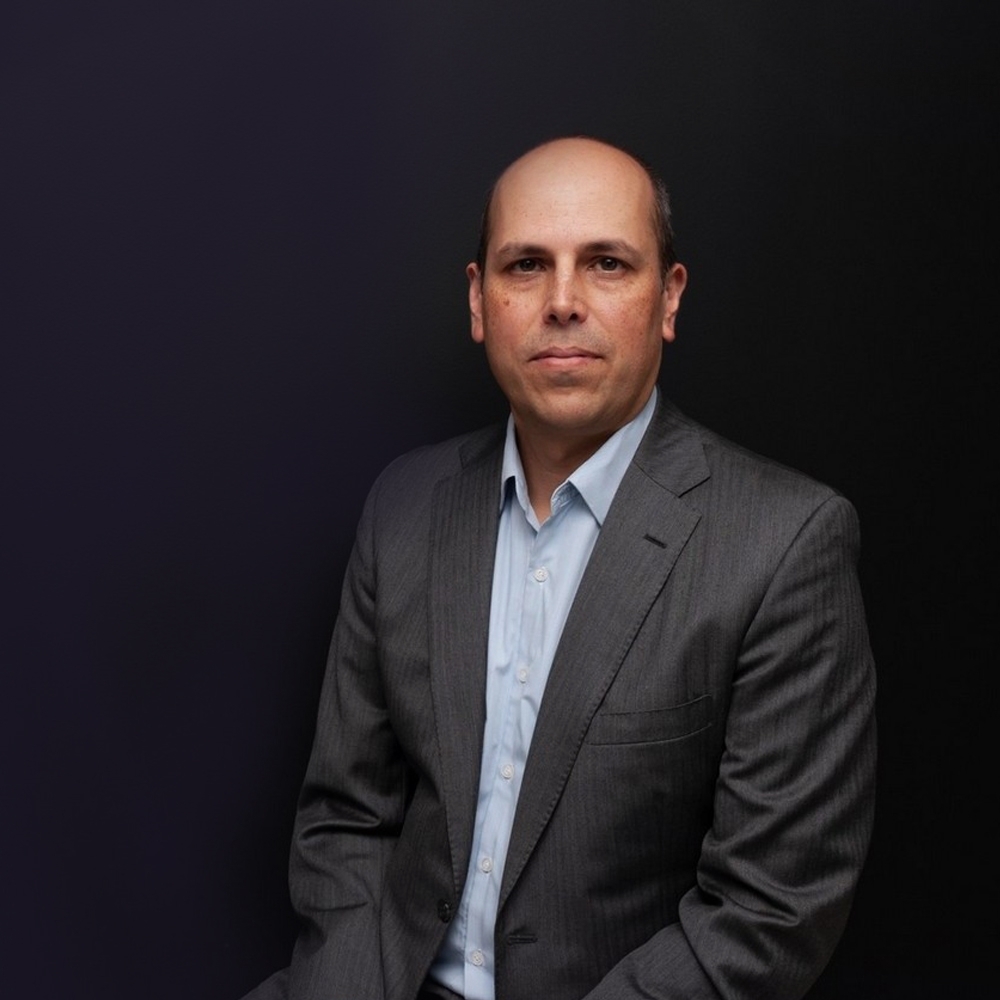
Leading the way in life sciences IP: Q&A with Devanand CreaseKeltie is again recognised among the very best in global patent practice, with Partner Devanand Crease named an IAM Global Leader for 2026. The IAM Global Leaders list highlights individuals who combine outstanding technical expertise with strategic insight and commercial awareness. This recognition reflects extensive market feedback, individual excellence, and demonstrates Keltie’s commitment to delivering tailored, business-focused IP advice that supports innovation.
Thank you