11.05.2026
From the roundel to MIND THE GAP, TfL relies on trade mark protection to safeguard some of London’s most iconic transport branding. Here, we look at what is protected and why it matters.
Thank you
Transport for London (TfL) relies heavily on trade mark protection to safeguard the visual identity and language of its transport network. From instantly recognisable logos to famous platform announcements, TfL’s trade mark portfolio plays a central role in preserving the integrity and commercial value of London’s transport brands.
The London Underground roundel predates even the famous Tube map. Its origins can be traced back to 1908, when an enamel disc was introduced to help passengers identify St James’s Park station, located between Westminster and Victoria. The design evolved over time, and the logo was registered as a trade mark in 1917.
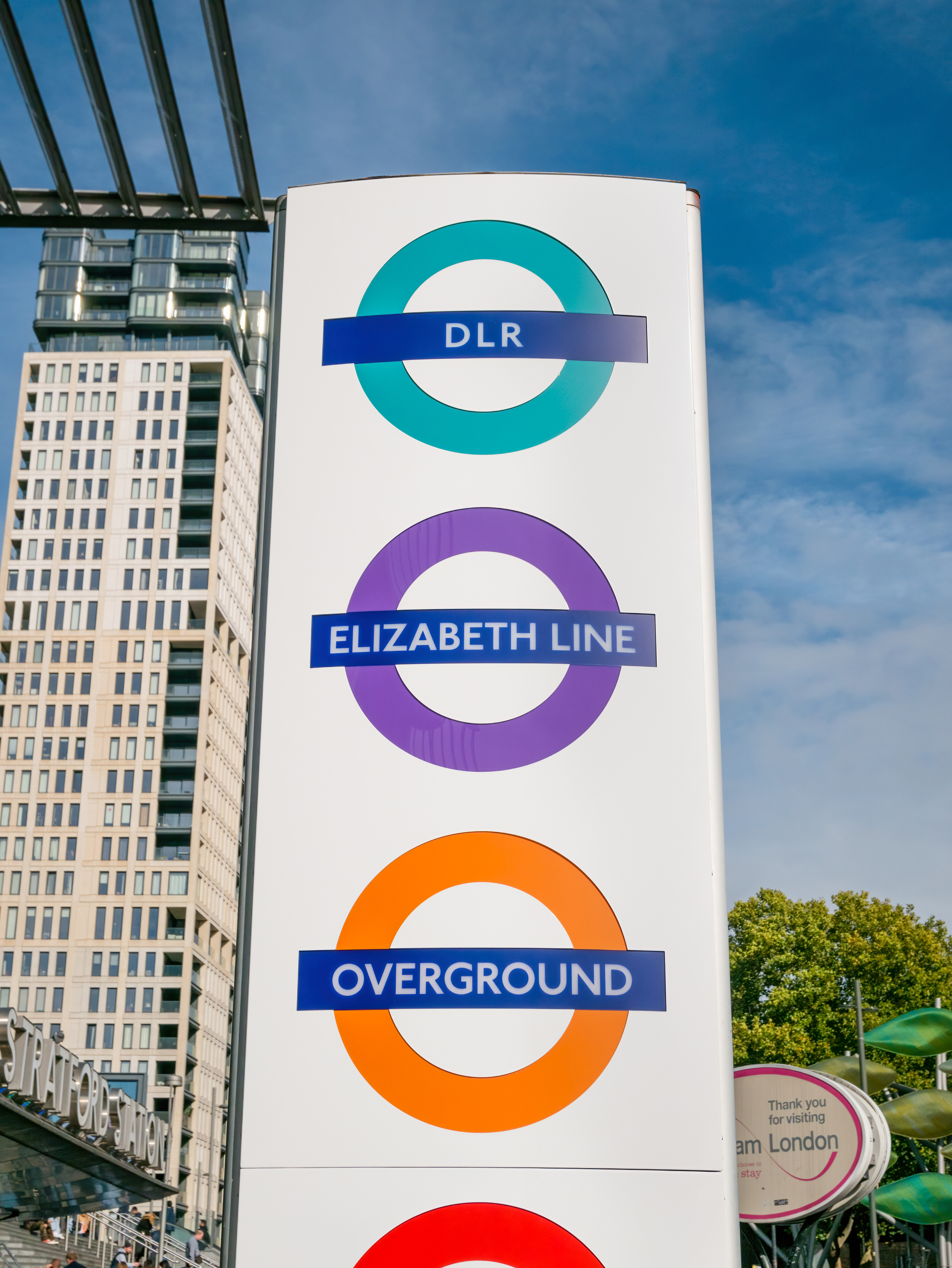
The roundel, a red circle intersected by a blue horizontal bar, has undergone multiple refinements, with the wording on the bar changing depending on the transport service. Despite these variations, the core design has remained consistent and is now used across the Underground, buses, bicycles and even river transport.
TfL owns more than 400 active trade mark registrations. These include numerous variations of the roundel, covering different colours, text‑free versions and a wide range of goods and services. TfL also owns more unusual trade marks, such as images of the iconic Routemaster bus, the design of the Oyster payment card, and a version of the roundel featuring a heart shape instead of the red circle.
Many historic and contemporary examples of this branding can be seen at the London Transport Museum in Covent Garden.
TfL also owns several trade mark registrations for the well‑known slogan MIND THE GAP, which has been used on London Underground platforms and announcements since 1968. One such registration was the subject of an opposition decision earlier last year.
The case concerned a UK trade mark application for MIND THE GAP covering goods in classes 9 and 18, including bags and accessories. The application was filed by TfL on 14 September 2021, claiming priority from an earlier EU trade mark filed in July 2018. It was opposed by Gap (ITM) Inc.
Gap argued that the application breached a confidential agreement dating back to 2004, which restricted TfL’s ability to use or register MIND THE GAP for “clothing accessories” unless accompanied by the roundel. In a decision issued on 6 January 2025, the Hearing Officer agreed that items such as purses, wallets and card holders fell within the scope of “clothing accessories”.
As a result, the inclusion of those goods was found to constitute bad faith under section 3(6) of the Trade Marks Act 1994, and the application was refused for those items. However, the mark was allowed to proceed for the remaining goods.
The Hearing Officer rejected Gap’s additional arguments under sections 5(2)(a), 5(3) and 5(4)(a), all of which were based on Gap’s earlier GAP trade mark. He concluded that the strong and specific conceptual meaning of MIND THE GAP, combined with the clear visual and aural differences between the marks, eliminated any likelihood of direct or indirect confusion.

London’s transport system is not only rich in history and cultural significance but also supported by a sophisticated portfolio of intellectual property rights. From copyright in creative works such as the Tube map to trade marks protecting globally recognised brands and slogans, these examples demonstrate both the opportunities and the legal complexities that arise when public infrastructure becomes iconic.
To explore how trade marks protect creative transport assets, read our companion article on the London Underground map here.
Thank you