11.02.2026
London’s luxury retailers, from historic department stores to iconic fashion houses, offer a masterclass in how intellectual property can shape brand identity and preserve heritage.
Thank you
England was known as a “nation of shopkeepers”, according to an eighteenth-century phrase, which is often attributed to the Emperor Napoleon. More than 200 years on, London continues to be associated with retail, and many of the city’s best-known brands are luxury stores.
Among the most popular are department stores such as Harrods, Fortnum & Mason, Harvey Nichols, Liberty and Selfridges. Each offers a diverse shopping experience, with products from leading international brands as well as services such as personalised shopping and grand bars and cafes.
All of these stores boast a long heritage. Fortnum & Mason, whose main store is on Piccadilly in the West End, dates back to 1707; several of its registered trade marks include the founding year in the text. F&M, as it is often known, is particularly associated with luxury food and drink (and celebratory hampers) but also sells homeware, accessories and cosmetics. Since the 1800s, many of Fortnum’s products have been packaged in a distinctive teal-turquoise colour, known as Eau de Nil. However, F&M has not yet sought to protect this mark as a colour trade mark – which can be difficult to do.
Harrods is another brand that has a highly distinctive colour. Dating back to the mid-nineteenth century, its Knightsbridge store is today the largest department store in Europe, and one of the most visited in the world. The distinctive Harrods logo, which resembles a handwritten signature, and the initial H on its own, are both registered in many jurisdictions. Often the logo appears in gold (Pantone 871C) text on a green (Pantone 574C) background, and for many consumers this colour combination conveys an aura of exclusivity. The colour formation has been registered as a trade mark, at least in the UK, demonstrating the great use of IP protection.
Over the years, Harrods has had to enforce its IP rights in several high-profile disputes. In one case, Harrods successfully recovered the harrods.com domain following one of the first cybersquatting decisions. The case was heard in the England and Wales High Court in December 1996, before the UDRP was set up. In another case in the US in 2001, a judge ruled that a former associated store in Argentina acted in bad faith when it registered 60 domain names including the word Harrods.
Also headquartered in Knightsbridge is Harvey Nichols, which like Harrods was founded in the mid-nineteenth century. Known for its loyal customers (including the late Princess Diana and the protagonists of the TV comedy series Absolutely Fabulous), “Harvey Nicks” has expanded and now has seven stores in the UK and five overseas. It also owns and operates the OXO Tower Restaurant, Bar and Brasserie on London’s South Bank.
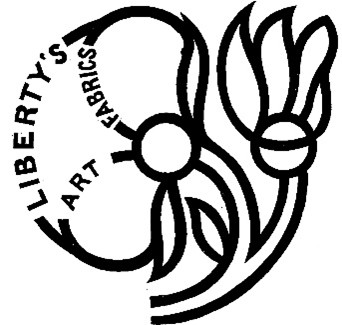
Founded on Regent Street in the West End in 1875, Liberty is associated with luxury design and especially with championing emerging creators and brands. It owns UK trade marks for LIBERTY, LIBERTY OF LONDON and several other phrases including the word LIBERTY. Its oldest UK trade mark, for a logo including the text LIBERTY’S ART FABRICS, was registered in June 1882 for “silk piece goods” in class 24 and remains on the register.
Selfridges has outlets in Birmingham and Manchester but is most famous for its flagship store on London’s Oxford Street, which was designed by the American architect Daniel Burnham and features creative window displays that are popular with tourists.
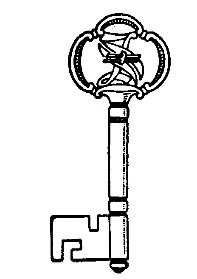
Selfridges Retail Limited owns many registered trade marks including SELFRIDGE, SELFRIDGES, SELFRIDGES&Co and S&Co. The oldest is a logo depicting a key, registered in June 1925 for “sewing machines” in class 7. Some of its marks feature yellow text or background but a 2011 application to register a colour trade mark (Pantone 109c) for services in class 35 was withdrawn, again demonstrating how difficult it can be to protect colour.
London is also home to fashion houses such as Burberry (known for its iconic check designs), Gieves & Hawkes tailors, and Asprey jewellers. Celebrated fashion designers, such as Stella McCartney and Alexander McQueen, are also closely associated with the city, and of course London is known for luxury hotel and restaurant brands such as the Savoy, Claridge’s, the Langham and the Dorchester.
One of the characteristics of prestigious UK brands is that they often boast a Royal Warrant. These are granted by members of the Royal family or their households to providers of goods/services for renewable periods of up to five years. Holders of Royal Warrants are entitled to use the Royal Arms and a statement such as “By appointment to His Majesty King Charles III”.
If you’re visiting London and have some spare time for shopping, note that luxury brands tend to be clustered in certain areas of the city. Many international fashion brands have stores on Bond Street and Regent Street in the West End, while Savile Row in St James’s is known for men’s tailors, and the Royal Exchange in the City of London hosts luxury jewellers and watchmakers. Travel to King’s Road (Chelsea) or Camden (home of Dr. Marten’s boots) for edgier and upcoming brands.
Thank you