19.07.2024
The UK Court of Appeal rules that Artificial Neural Networks are not patentable subject matter in their own right. Comptroller vs Emotional Perception AI Limited 2024
Thank you
In an unwelcome, but perhaps not surprising judgment, the UK Court of Appeal has rolled back the earlier High Court judgment that Neural Networks are more than mere computer programs, and have instead reiterated that inventions involving ANNs should be treated in the same manner as any other computer implemented invention.
The judgement says that the correct way to look at the patentability of computer implemented inventions is look at the function of the computer program and that ANNs do not confer technicality on otherwise non-technical systems.
Thus, if the function of a computer program is to implement a financial trading system then this is never patentable, irrespective of whether there is an ANN involved, or otherwise. Conversely computer programs for designing drill bits or controlling X-ray machines have technical purpose and are thus patentable. Again, this would not change if the respective programs had (or had not) implemented their methods using ANNs.
In this respect, the UK Court of Appeal very much towed the EPO line. Perhaps disappointingly so, as the judgment even draws attention to a quote from the Comptroller that essentially says that if the distinguishing features of a claim have an effect that is “subjective or cognitive in nature” then there is no technical contribution.
For those of us practicing before the EPO, “cognitive in nature” seems to come up so regularly in Examination reports that you would think that this was an exclusion in its own right. I was looking forward to some push back on this line of objection, and it seems to me that the UK Court of Appeal has missed an opportunity in this respect.
My understanding is that permission is being sought to appeal the ruling at the high court.
Although it is hard to see what the points of appeal might be, the Judge did note one or two points of interest:
· Article 27 of the TRIPS agreement says that patents are to be granted in “all fields of technology”.
· Neither side made the submission that the term “computer program” might have been understood differently today compared to when the statute was written in 1977.
However, these are slim pickings in what is otherwise a comparatively straightforward judgment and uncontroversial interpretation of UK and EPO patent caselaw.
20.07.2022
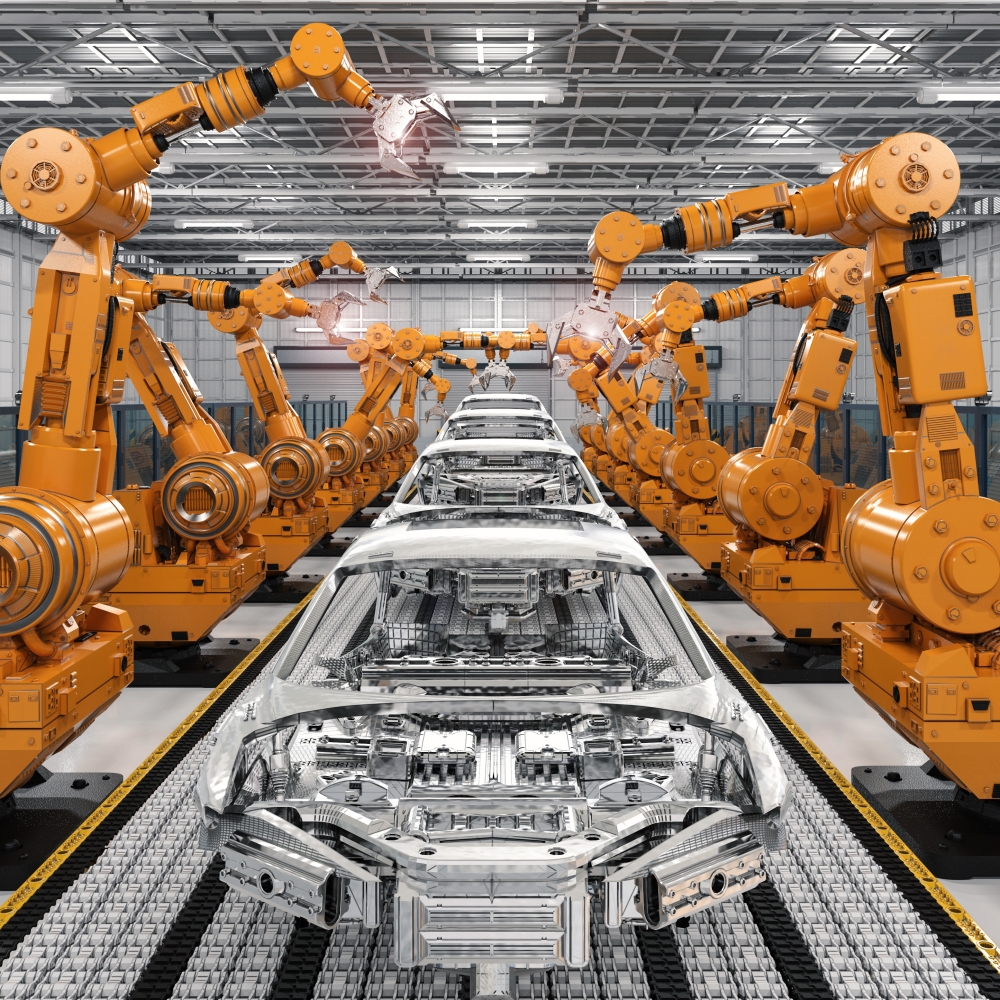
AI in Manufacturing – A Modern Industrial RevolutionFrom robots that teach themselves to improve, to systems that predict when parts need to be replaced before they break, Amelia Ross investigates some of the interesting applications of Artificial Intelligence in the world of manufacturing.
Thank you